
SCANNOW 城市編輯室-心度探索(Deep Dive)- 梨木製陶所
- May 27
- 5 min read




梨木製陶所:把「透明的日常」捏成可觸摸的美
在香港,真正會留下來的美,常常不是最響亮的那一種,而是你每天都會碰到、卻不一定會說出口的感受——一只杯子的重量、一個碗沿的弧度、一口茶在不同材質裡的味道。這些細微的差異,組成了梨木製陶所 Toki Nashiki 的世界:一間在城市裡安靜工作、把器物做得像空氣般自然的陶作工作室。若你正在尋找一間陶藝空間,想在一個午後重新理解「日常」的溫度,這裡值得你慢慢走近。
從「想繼續創作」開始:把工作室變成讓人靠近的地方
租下工作室的第二年,Ryan對自己說:想要持續創作,也想建立一個平台,讓觀眾可以真正接觸到作品,理解手作器物的好處與可能性。對梨木製陶所而言,陶不是擺設,而是會進入生活的物件——它會被拿起、被洗淨、被反覆使用,最後成為你家裡的一部分。
Ryan用三個詞形容自己的作品:實用、質樸、優雅。這些不是風格標籤,而是一種做法:把每一次使用的體驗,放進器型、厚薄、重量與觸感之中,讓你在盛飯、倒茶、擺放餐桌時,都能更自在。
細節,是他們最不願妥協的信仰
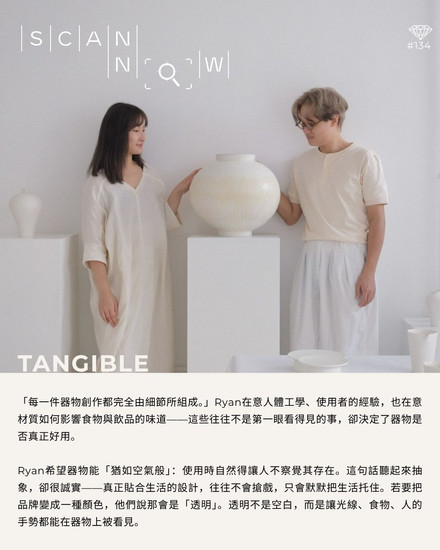
「每一件器物創作都完全由細節所組成。」Ryan在意人體工學、使用者的經驗,也在意材質如何影響食物與飲品的味道——這些往往不是第一眼看得見的事,卻決定了器物是否真正好用。
Ryan希望器物能「猶如空氣般」:使用時自然得讓人不察覺其存在。這句話聽起來抽象,卻很誠實——真正貼合生活的設計,往往不會搶戲,只會默默把生活托住。若要把品牌變成一種顏色,他們說那會是「透明」。透明不是空白,而是讓光線、食物、人的手勢都能在器物上被看見。
走過最難的一關:一座升不了溫的電窯,以及三年後的回覆
創業初期,困難重重;其中最難解決的,是燒製陶瓷的電窯無法升溫。多次修理依然無果,資金與資源也不足以再繼續維修,幾乎逼近放棄的邊緣。可Ryan不甘心,因為還未開始就結束,太像對自己說了句「算了」。
最後,因緣際會之下,那座電窯在三年後被一位高人修好了。這件事像是時間給的禮物,也像一種提醒:努力不一定立刻得到回報,但它會在某個時刻,以你想不到的方式回來。後來Ryan在展覽現場收到正面回饋;更動人的,是買了作品的客人在十年後仍然在使用——那是器物真正被生活認同的證明。
在城市裂縫裡長出的草,也能有自己的光
Ryan形容「本地創作」像裂縫裡掙扎長出來的小草。它不總是舒適,卻很真實。當靈感枯竭,他們重新打開五感,好好活在當下,對世界保持好奇心,關心身邊的人事物——因為藝術源於生活。
如果你喜歡陶作、喜歡手感,梨木製陶所會是一個溫柔而堅定的選擇。下次用餐時,不妨讓一只日常餐具陪你:你會發現,美不是被展示出來的,而是被你一次次使用出來的。
Toki Nashiki: A Hong Kong Hidden Gem Shaping “Transparent” Everyday Beauty in Clay
In Hong Kong, the kind of beauty that truly stays is rarely the loudest. It’s the feeling you touch every day but don’t always name—the weight of a cup, the curve of a bowl’s rim, the subtle way tea tastes different when it meets a different material. This is the world of Toki Nashiki: a quiet studio making pottery that feels as natural as air, designed to slip into daily life and gently improve it. If you’re looking for a Hong Kong Hidden Gem in the ceramics category, this is a place worth approaching slowly.
A studio built on one promise: to keep creating
In their second year of renting a workspace, Ryan made a clear decision: they wanted to keep creating, and they wanted to build a platform where people could truly come close to their work. For Toki Nashiki, pottery isn’t decoration—it’s something that gets picked up, washed, used again, and eventually becomes part of your home.
Ryan describes their pieces with three words: practical, rustic, elegant. These aren’t marketing labels. They’re design principles that guide every choice—form, thickness, weight, and texture—so that using a plate or pouring tea feels effortless, grounded, and quietly beautiful.
An obsession with details you might not notice—until you do
“Every piece is made entirely of details,” Ryan says. They care deeply about ergonomics, user experience, and the way materials can influence the taste of food and drink. These are not the first things you notice at a glance, yet they’re what make an object truly good to live with.
Ryan's goal is for the work to “feel like air”—so natural in use that you almost forget it’s there. It sounds poetic, but it’s also practical: the best everyday design doesn’t steal attention; it supports you. Asked what the brand would be as a color, they answer: transparent. Not empty or blank, but clear—so that light, food, and the gestures of your hands can be seen through the object rather than interrupted by it.
The hardest chapter: a kiln that wouldn’t heat, and an answer three years later
The early days were full of challenges, but the hardest was a kiln that simply refused to heat up. Repairs failed repeatedly, resources ran thin, and the possibility of quitting started to feel painfully logical. Yet Ryan couldn’t accept a dream ending before it even began.
Then, by a twist of timing and luck, a skilled “master” finally fixed the kiln—three years later. It felt like a delayed response from life itself: you’ve already tried so hard; don’t doubt your effort. Since then, Ryan received warm feedback at exhibitions, but one of the most meaningful signs of success is quieter: customers who bought their work a decade ago are still using it today. That’s the deepest kind of recognition—objects that earn a permanent place in real life.
The grass that grows in cracks still finds its own light
Ryan describes local creation in Hong Kong as grass pushing through cracks—struggling, persistent, undeniably alive. When inspiration runs dry, they return to their senses: staying present, staying curious, caring about people and small moments, because art comes from life.
If you love handmade ceramics, thoughtful design, or simply want to slow down for an afternoon in the neighborhood and reconnect with daily rituals, Toki Nashiki is a gentle and steady stop. Next time you set the table, let an everyday piece hold your meal. You may realize that beauty isn’t something you display—it’s something you use, again and again.


Comments